
Unlock Your Parent Potential.
Transform Everyday Moments into Classroom Confidence and a Love of Learning
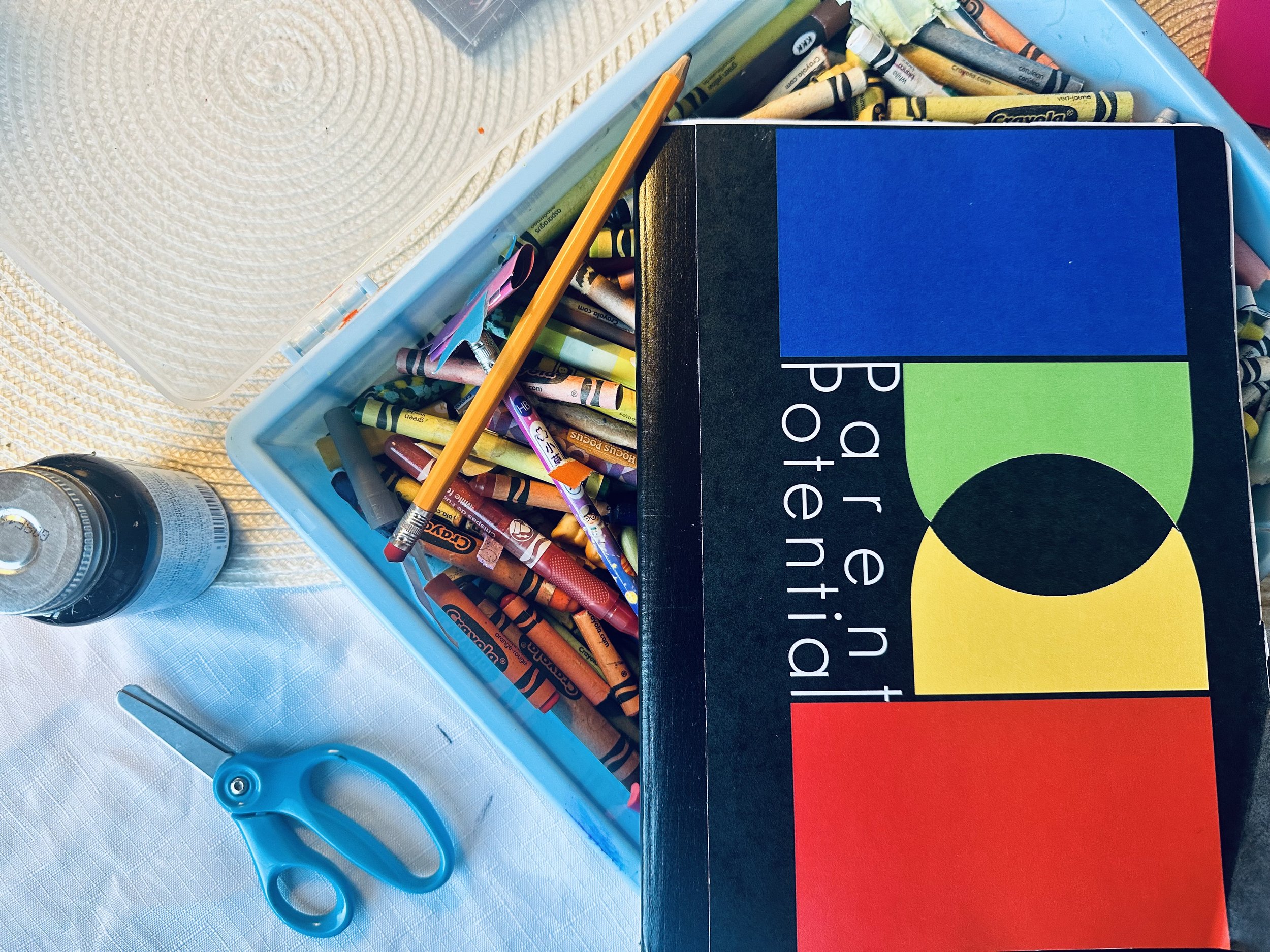
This is different…

You Set the Pace
Parent Potential fits seamlessly into your family’s unique routine. Start with our base package to give a boost during everyday moments, or build deeper knowledge through our video tutorials.
For families taking on a more formal educational role, we provide a complete independent study curriculum.

Empowering and Engaging
Trade repetitive worksheets for real-world excitement that keeps kids genuinely engaged:
- Hands-On Projects: From family surveys to graphing trends and writing persuasive letters, kids apply skills to real life.
- The Innovation Notebook: Packed with blank lined and grid paper—a creative launchpad where no two notebooks look alike!
- Online Community: Custom grade-level sticker puzzles reward progress as kids unlock milestones and share in our community.
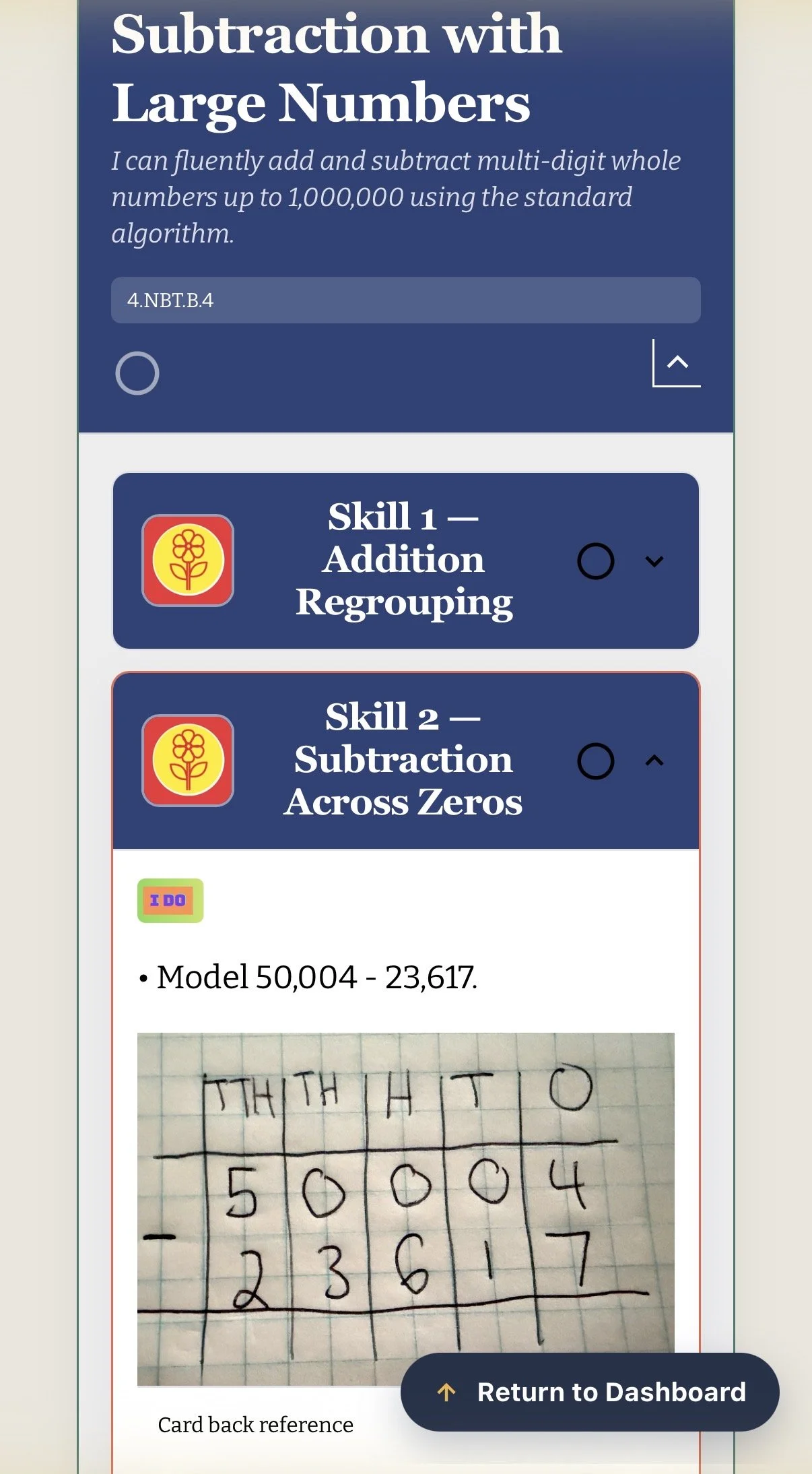
Aligned to the Standards
- Common Core Academic Standards: Mapped to K–3 grade-level requirements so you always know your child is on track.
- Character Education: Integrates essential Social-Emotional Learning (SEL) skills into everyday routines.
- Optional Digital Literacy: TechTool habits safely guide students to use digital tools with age-appropriate guidance.
Getting Started is easy:
Parents Potential gives you the tools and strategies to support your child as they navigate the academic and social challenges of school for students from Kindergarten through 6th grade.
How It Works
One card. Twenty minutes. Real progress on the skills your child is learning in class.
Pick Tonight's Win
Every card targets one grade-level skill your child is learning right now. Choose one and tonight's lesson is ready.
Learn MoreKids Take the Lead
Bold graphics and playful prompts invite your child to jump in first, so learning feels like a game instead of homework.
Learn MoreYour Mission Control
Scan the QR code for step-by-step parent prompts, the exact habit to use, and a dashboard that tracks every win.
Learn MoreThis Is NOT a Workbook
Blank graph and lined pages, progress trackers, and sticker puzzles turn practice into a creative keepsake they'll treasure.
Learn MoreJust 20 Minutes Together
In the car, at the table, or at bedtime, you'll support Common Core standards like a pro. No teaching degree needed.
Learn More

Modeling
Our most powerful habit. Grab a blank page, use our prompts, and show your child how to approach a new skill. This direct, stress-free connection is the fastest way to ensure grade-level mastery.

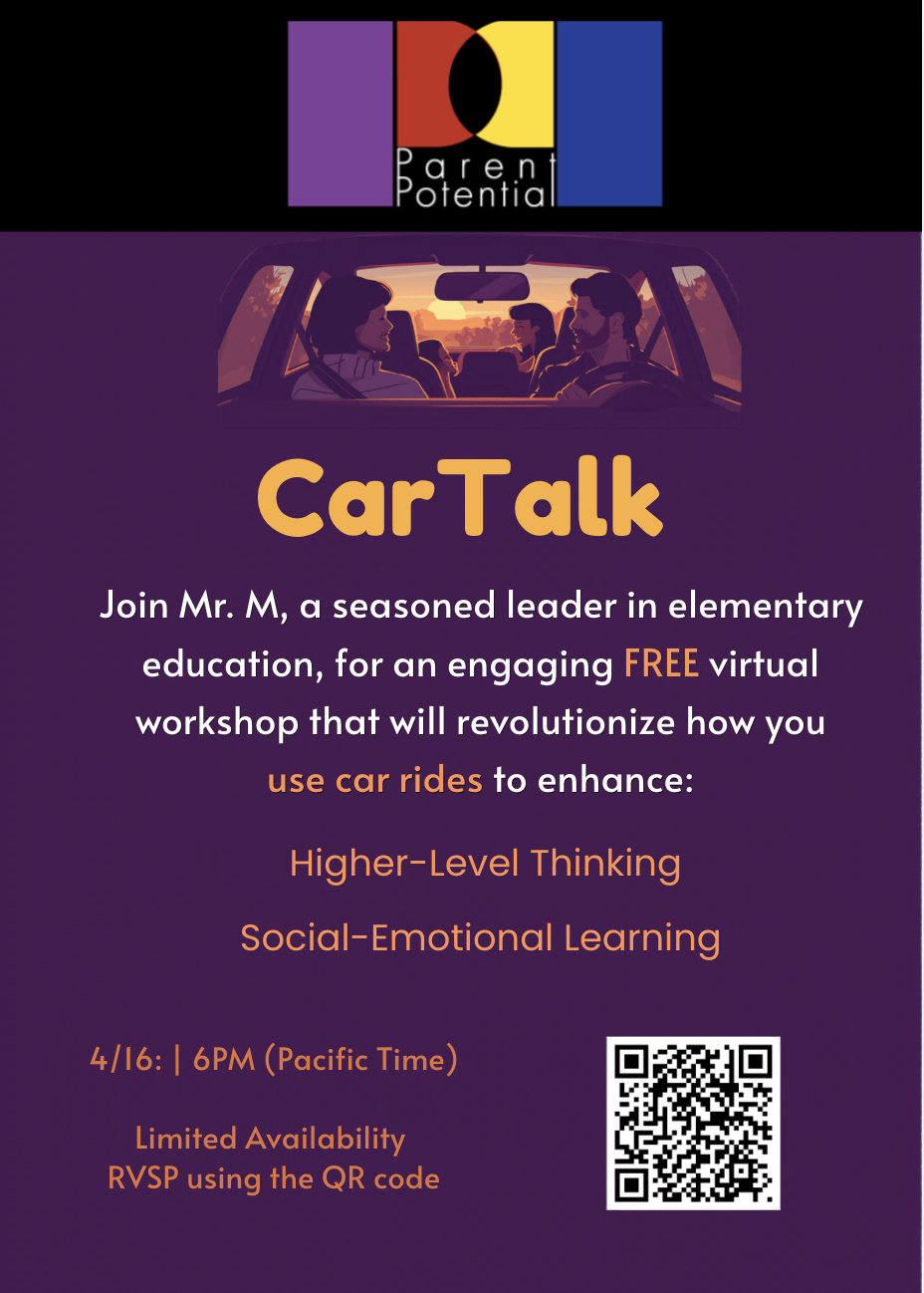
CarTalk
Turn your daily drive into a classroom. Use quick practice games to solidify math facts and phonics, prompt socratic reasoning, or use our SEL cards to help your child navigate friendships and emotions.
Listen and Write
Use these cards to supercharge reading skills. You say the sounds, words, or sentences, and your child writes them down—building the exact phonetic foundation they need to read with ease.

StoryTime
Whether at bedtime or on the weekend, elevate your reading routine. Our cards give you the exact questions to ask to build deep comprehension, ensuring your student is ready to lead classroom discussions.
The 4 Habits
These practices allow you to dive right into any of the math and language standards in your grade level with effortless, bite-sized practice that builds skill fluency and confidence.
“Drawing on more than 20 years as a principal and teacher mentor, I've distilled the most effective grade level strategies into practical guidance that fits your busy life.
Say goodbye to homework battles.
Watch your child become a confident learner who proudly raises their hand in class.”
Meet Mr.M

Mr. M | Founder & School Leader
When schools nationwide faced unprecedented disruption during COVID-19, Mr. M took a radically different approach at the charter school he founded in downtown Los Angeles…
He put parents first.
By partnering directly with families and treating the home as an extension of the classroom, his strategy defied national trends. While student performance dropped across the country, Mr. M’s students achieved dramatic academic gains, setting a bold new standard for resilient, community-driven education.

Resources to help get better and better
Deepen Your Practice
Parents Potential offers many ways for you to continue to improve this new connection with your child. Click on the cards below to learn more.

Virtual Learning Modules
Learn More
Learning Audit
Learn More
Projects
Learn More
Independent Study
Learn More
Parent Potential Community
Learn MoreWhat Parents Are Saying!
-
![]()
"It was like flipping a switch and we never looked back."
“Like so many parents in COVID, we found ourselves trying to teach our kids at home, we had mild success and spent most of our time just keeping the kids quiet so we could work from home.
My wife convinced me to ask for help.
Mr.M explained a few basic concepts of teaching and learning to me. I couldn’t believe how much confidence that tiny little bit of knowledge gave me and helped the kids become more intrinsically motivated to learn.
It was like flipping a switch and we never looked back!
— Albert, 5th Grade Parent, El Segundo
-
![]()
“Now we can truly join in on the fun he has learning.”
While we haven’t had any issues with our son’s grades, we noticed him finishing his homework too quickly and his enthusiasm for school beginning to wane.
We reached out to Mr. M, and he gave us some great family project ideas and cool routines like CarTalk. Now, our son can show us what he’s doing at school, and we can truly join in on the fun he has learning!”
—Ritu, 3rd Grade Parent, Los Angeles
-
![]()
"Mr. M’s 'learning target' framework takes jargon-laden standards and translates them for families so students take ownership of their learning
"Mr. M’s 'learning target' framework takes jargon-laden standards and translates them for families so they can take ownership of their learning. It helped our school regularly outperform district test scores. Parent Potential will beautifully expand this crucial connection between parents and schools!"
— Megan, Teacher and Parent of 2nd grader, Woodland Hills
-
![]()
I spend so much time in the car with one or both boys, and sometimes struggle with how to move beyond the day-to-day chat into something that really gets them thinking. CarTalk is it!
“I spend so much time in the car with one or both boys, and sometimes struggle with how to move beyond the day-to-day chat into something that really gets them thinking. CarTalk is it!
The day after the workshop, I sparked up a debate about which Mario character was the best (lol you gotta start somewhere) and both boys were instantly SO into it – animated, engaged and excited to make their cases! We’ve had a few more moments like that since, which has been really fun.”
—- Eliza, Kinder and 2nd grade Mom, Los Angeles




Get in Touch
Sign up to join our community and receive discounts to workshops, events and swag!

Join a movement in the making!
Follow Parent Potential on one of these platforms and get insights from Mr.M’s monthly blog that can transform your family’s life. He interviews other educators and dives into the critical questions facing our educators as they prepare our next generations for an uncertain future.

Upcoming Virtual Workshops



The Most Important School Supply Isn't in Your Child's Backpack. It's your time.
Every August brings that familiar mix of excitement and uncertainty as a new school year kicks off. 🎒
After nearly 15 years as a school principal, I’ve learned one constant truth: schools can teach reading, math, and science, but we can’t raise resilient, confident kids without parents leading the way.
The world is changing faster than schools can keep up, from AI in the classroom to evolving social dynamics. But the most powerful tool your child has is already at home—your relationship, your listening ear, and your optimism.